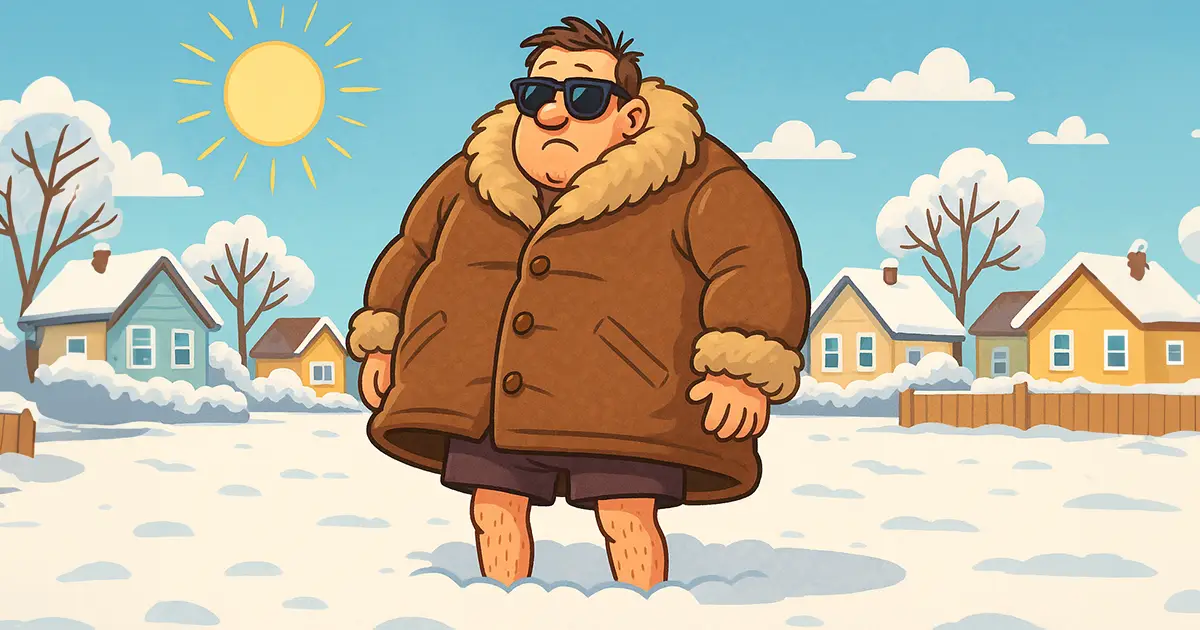
This time of year, Oklahoma weather loves to mess around with our heads. One day you're in shorts, the next you're scrambling to find where you put the space heater. That's why getting your HVAC system ready before the first freeze isn't just smart... it’s necessary.
A furnace or heat pump that hasn't been touched in months won't just drive up your energy bills. It might quit on you entirely during the coldest night of the year. And trust me, that's not a call you want to make at 2 a.m.
The good news? A little preparation now means reliable heat later.
Get a Professional Tune-Up Before You Need It
Here's the thing about waiting until something breaks: it always costs more. Annual maintenance isn't exciting, but it's the best insurance you can buy against a winter breakdown. A qualified technician from GNH Heating & Air Conditioning will go through your entire system to inspect components, clean parts that accumulate grime, tighten connections that work loose over time, test safety controls, and make sure everything functions the way it should.
Most of the time, these inspections catch small problems before they become expensive ones. Maybe it's a belt that's starting to fray, a capacitor that's on its last leg, or burners that need cleaning. Fixing these issues in November beats replacing a major component in January.
If you can't remember your last inspection, don't put this off. Once the temperature drops and everyone's calling for service, you'll be waiting days instead of hours.
Swap Out Those Air Filters
This one's easy, but people skip it all the time. Your air filter traps dust, pet hair, pollen, and all the other stuff floating around your house. Once it's clogged, airflow drops. Your system has to strain harder to push air through, which wears it down faster and costs you more on every utility bill.
Most homes should replace filters every one to three months when the heat is running regularly. Got pets? Kids who track in half the backyard? You might need to change it monthly. If you honestly can't recall the last time you touched your filter, go check it right now. There's a decent chance it needs replacing.
Clear Your Vents and Don't Block Returns
Your heating system can be in perfect shape, but if the vents are blocked, you're still going to have problems. Take a walk through your house and look at every register. Is there a couch pushed up against one? A rug covering another? Curtains hanging over the one in the bedroom?
Move whatever is in the way. While you're at it, wipe down the vent covers to get rid of dust buildup. And don't forget about return vents, the ones pulling air back into the system. Those need clear space too.
One more thing: ignore the advice about closing vents in unused rooms to save money. It doesn't work that way. Closing vents creates pressure imbalances in your ductwork, which can damage the system and actually increase your energy costs.
Make Sure Your Thermostat Works
Before you really need heat, test your thermostat. Turn it to heat mode, bump the temperature up, and listen for your system to start. Let it run through a complete cycle, heating the house and then shutting off when it reaches the set temperature.
If the system keeps turning on and off too quickly, or if it's struggling to hit the temperature you set, something's wrong. Could be a faulty sensor, bad wiring, or a control board issue.
This is also worth mentioning: if you're still using an old manual thermostat, upgrading to a smart model pays for itself. These learn your schedule, let you adjust settings from your phone, and automatically dial things back when you're sleeping or out of the house.
Take Care of Your Outdoor Unit
Heat pumps run year-round, which means your outdoor unit will be working all winter. Give it some attention now. Clear away leaves, dirt, grass clippings, and anything else that's accumulated around it. Trim back bushes or tree branches. You want at least two feet of open space on all sides.
If you have a standard air conditioner that sits idle during winter, flip the service switch off so it can't accidentally turn on. Some people like to cover their AC units, but it's not required unless you're worried about falling branches. If you do cover it, make sure it's a breathable cover, not a sealed tarp that traps moisture inside.
Look for Duct Leaks
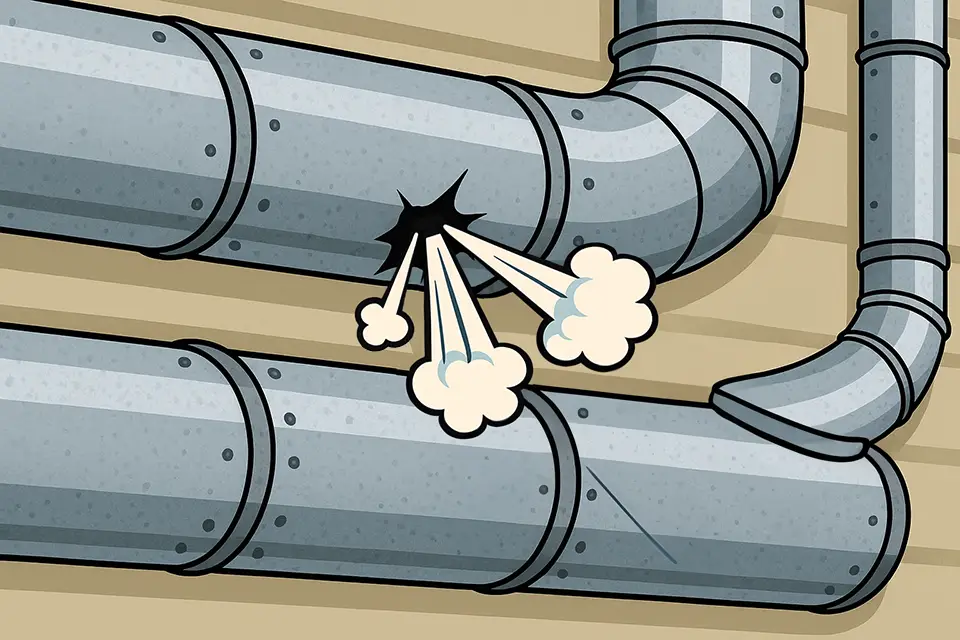
Leaky ducts are one of the biggest energy wasters in any home. Studies show that 20 to 30 percent of heated air can escape through gaps and disconnected sections, especially in attics and crawl spaces. That's a lot of money disappearing into places you'll never feel warm.
Check any exposed ductwork for visible problems... gaps at the seams, sections that have come apart, or insulation that's falling off. Small leaks can be sealed with foil-backed tape or mastic sealant. For bigger issues, or if you suspect your ducts are worse than you can see, call in a professional for testing.
If your ducts run through unheated areas and aren't insulated, adding insulation will reduce heat loss and make your whole house more comfortable.
Check Drainage on High-Efficiency Furnaces
High-efficiency condensing furnaces create moisture as they operate, which means they need a drainage system. If you have one of these units, check the condensate drain line and drip pan for standing water or clogs. A blocked drain can shut your furnace down completely or cause water damage.
The pan is usually located below the heat exchanger. Pull it out if you can and inspect it for cracks. If your system has a condensate pump, make sure it's running and not clogged with debris.
Run Multiple Test Cycles
Don't just turn your heat on once and call it good. Run your system on three different days before winter really sets in. Set the thermostat to a typical winter temperature and let the unit go through full cycles each time.
This gives you a better shot at catching problems that don't show up every single time the system runs. Pay attention to startup sounds, how long it takes to heat the house, and whether it shuts off normally when it's done.
Listen for Weird Noises
Your heating system makes some sounds, that's normal. But certain noises are warning signs. Persistent clanking, loud buzzing, or grinding means something's wrong. Popping sounds can indicate delayed ignition, which is a safety concern. A high-pitched squealing noise usually points to a worn blower belt or a bearing that needs lubrication.
If you hear something that doesn't sound right, don't wait to see if it gets worse. It will.
Keep the Furnace Area Clean and Clear
Look around your furnace. Is there junk stored nearby? Boxes stacked up? Cleaning supplies within reach? Clear it all out. Your furnace needs space to breathe and operate safely.
Vacuum up dust around the unit so it doesn't get pulled into the system. Make sure all access panels are securely fastened—some furnaces have safety switches that won't let the unit run if a panel is loose or missing.
Manage Indoor Humidity
Winter air inside your home can get bone dry, leading to static shocks, cracked skin, and irritated sinuses. If you have a whole-home humidifier attached to your HVAC system, now's the time to clean the reservoir and replace the water panel. Check the drain line for any leaks or blockages.
Even without a built-in system, you can keep humidity at comfortable levels with portable humidifiers, especially in bedrooms where dry air bothers people most.
Upgrade Insulation if Needed
If your heating system runs constantly but your house still feels cold, or if certain rooms never warm up properly, you probably have insulation issues. Attics are the usual suspect, but exterior walls and floors over crawl spaces can be problem areas too.
Better insulation means less heat loss, which means your HVAC system doesn't have to work as hard. It'll cycle less often, last longer, and keep temperatures more even throughout your home.
Think About Backup Power
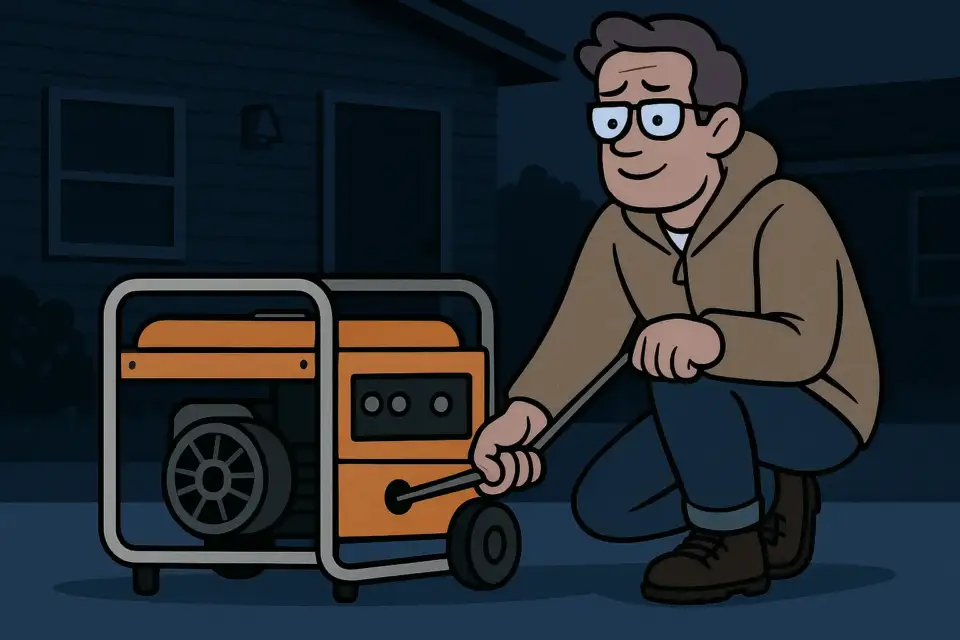
Oklahoma winters can throw curveballs. If your area loses power during a storm, you'll want a way to keep your heat running and prevent pipes from freezing. A portable or standby generator can do that, but you need to size it correctly for your system's startup demands. Talk to a professional before you buy one.
And never run a generator inside or in an attached garage. Carbon monoxide poisoning is real and deadly.
Test Your Smoke and CO Detectors
Even a perfectly maintained heating system needs backup safety measures. Test every smoke alarm and carbon monoxide detector in your house. Replace batteries as needed. If any unit is over ten years old, replace the whole thing.
Gas furnaces can develop cracked heat exchangers or combustion problems that release carbon monoxide. Detectors catch those issues before they become life-threatening... but only if they're working.
Final Thoughts
GNH Heating and Cooling helps homeowners throughout Tulsa and the surrounding areas keep their heating systems running right all winter long. Whether you need a tune-up, a repair, or you're looking at a full system replacement, getting it done before the cold hits saves you hassle and money.
Don't wait until your heat goes out on the coldest night of the year. Contact us today at (918) 804-1549 to schedule your winter HVAC service.