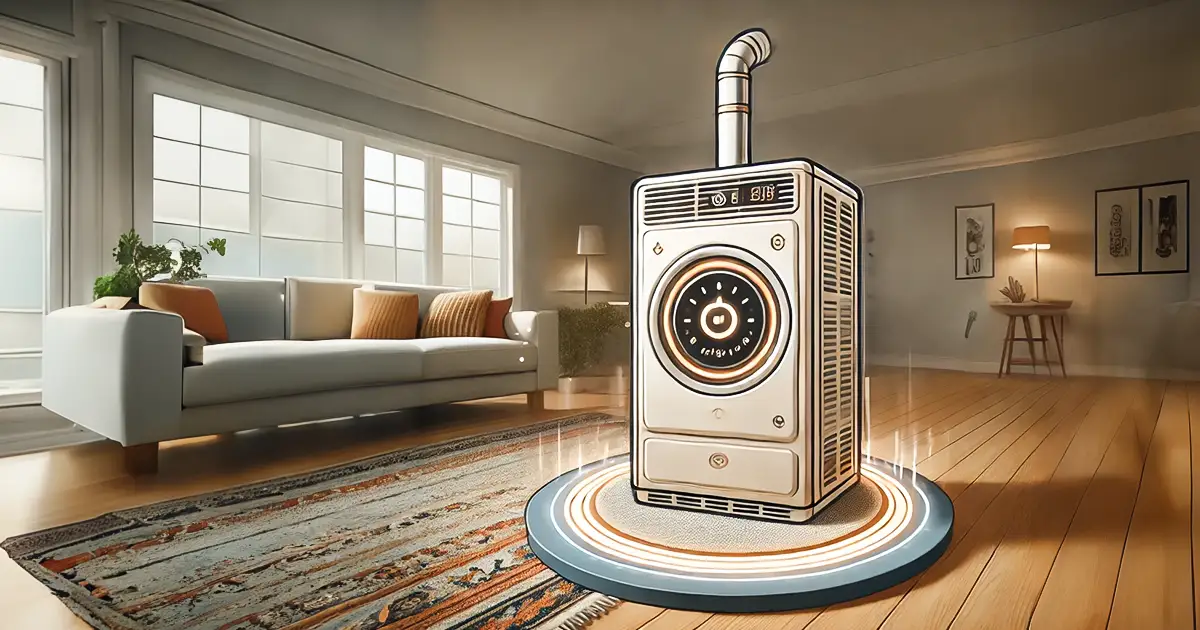
Owning a home in Owasso, OK, means facing seasonal weather challenges that can make your HVAC system work hard all year round. Whether it’s a sizzling summer or a chilly winter, your HVAC system keeps your home comfortable day in and day out.
As you can imagine, this constant use causes wear and tear that accumulates over time, potentially leading to breakdowns or costly replacements.
The good news is that with some regular maintenance and a few key strategies, you can extend the life of your HVAC system and enjoy efficient, reliable heating and cooling for years to come.
GNH Heating & Cooling helps homeowners like you get the most out of your HVAC systems. To that end, we have compiled our top expert tips to help keep your system running smoothly and avoid unexpected breakdowns.
Schedule Regular HVAC Maintenance
If there’s one thing you can do to protect your HVAC system and maximize its lifespan, it’s regular maintenance. Think of it as the HVAC equivalent of changing your car’s oil or cleaning your teeth. Annual or biannual check-ups can help catch minor issues before they become big problems, ensuring your system runs at peak efficiency.
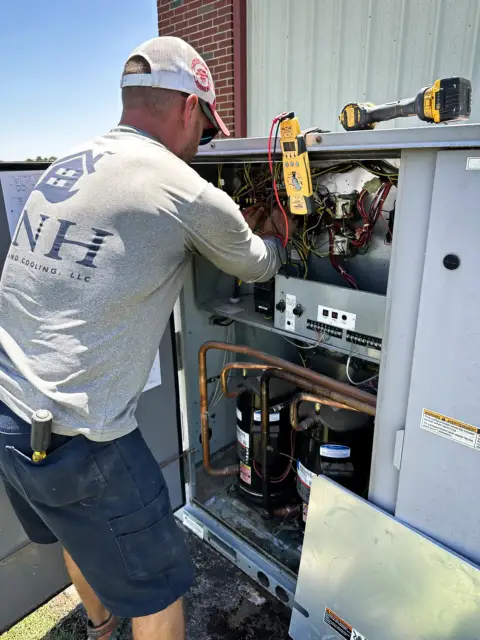
Benefits of Annual Tune-Ups: Routine maintenance, especially before the start of winter or summer, includes cleaning, tightening electrical connections, and checking components like the heat exchanger and blower motor. This keeps your system running smoothly and efficiently and may also keep your warranty valid.
What to Expect During a Tune-Up: During a typical service appointment, your GNH Heating & Cooling technician will inspect your unit, clean essential components, and make necessary adjustments. They’ll also check for worn-out parts or potential problems so you can address them early.
Scheduling maintenance twice a year is ideal; once in spring for your AC and once in fall for your furnace. Doing this will prevent breakdowns during peak weather, and your HVAC system will be better equipped to keep your home comfortable all year.
Keep the Area Around Your HVAC System Clear
Your HVAC system needs space to “breathe” in order to operate effectively. For instance, clutter or storage items surrounding your furnace can restrict airflow and cause the system to overheat or work harder. For outdoor units, foliage and debris can block airflow and affect cooling performance.
Indoor Clutter: Keep at least a two-foot clearance around your furnace, and avoid stacking items on or near ductwork, which can cause damage or restrict airflow. If you have flexible ductwork, excess weight could even cause it to detach.
Outdoor Units: Clear any leaves, branches, or debris within a two-foot radius. Consider trimming back shrubs or other plants around the unit and check regularly to ensure it remains clear.
Maintaining clear space around your HVAC system isn’t just a safety precaution; it also helps the system work more efficiently, which can lead to lower energy bills and a longer lifespan for your unit.
Use a Programmable or Smart Thermostat
Investing in a programmable thermostat makes saving energy easy, reducing monthly bills, and protecting your HVAC system from unnecessary wear. By setting a schedule that aligns with your daily routine, you can ensure the system doesn’t run harder than it needs to when no one’s home.
Avoid Extreme Adjustments: Setting your thermostat to very high or very low temperatures forces your system to work extra hard, which can shorten its lifespan. For example, adjusting by 4-5 degrees while away can help conserve energy without overworking the system.
Smart Thermostats: Smart thermostats allow even more control, with remote access and notifications for when it’s time to change filters or schedule maintenance. They can also learn your habits and adjust automatically, ensuring optimal efficiency.
By controlling your HVAC settings and avoiding drastic temperature changes, you reduce the strain on your system, ultimately extending its life.
Replace Your Air Filters Regularly
A clean air filter is one of the simplest yet most effective ways to keep your HVAC system running efficiently. Filters trap dust, pet hair, pollen, and other airborne particles, preventing them from entering the HVAC system and affecting its performance. Over time, filters get clogged, restricting airflow and putting unnecessary strain on your system.
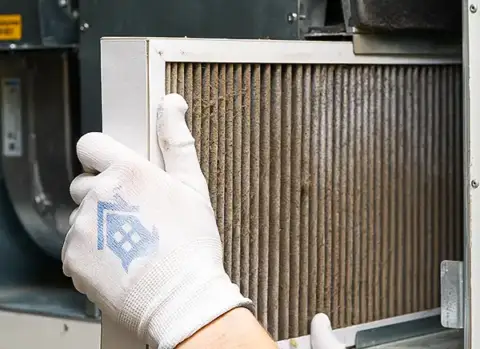
Frequency: In most cases, it’s recommended to replace air filters every 1-3 months, depending on factors like the season, household pets, and allergies. If your filter looks light grey, then it needs to be changed!
Choosing the Right Filter: Filters come in various ratings, and not all are suitable for every system. Filters with a MERV rating between 8-12 are usually sufficient for residential systems. High-efficiency filters can capture more particles but may restrict airflow if your system isn’t designed for them. If you’re unsure, call us, and we'll help you decide.
Clean filters help extend your HVAC system's life, improve indoor air quality, and reduce allergens in your home.
Improve Your Home’s Energy Efficiency
Your HVAC system works hard to keep your home comfortable. Still, if your home is drafty or poorly insulated, it has to work even harder. Improving your home’s energy efficiency lowers your energy bills and reduces wear and tear on your HVAC system.
Seal Drafts: Check for drafts around windows, doors, and other areas where cold or hot air might enter. Weatherstripping and caulking are affordable ways to seal leaks and make your home airtight.
Add Insulation: Insulation is essential in attics and walls as heat naturally rises. Without proper insulation, your heating system has to work much harder to maintain a comfortable temperature during winter.
Making your home more energy-efficient lightens the load on your HVAC system, allowing it to operate at a more moderate pace and last longer.
Address Minor Repairs Promptly
HVAC systems often give subtle signs when something is wrong. Ignoring these signs can lead to more significant issues that are costlier to fix and can shorten your system’s lifespan. If you notice any unusual noises, increased energy bills, or changes in airflow, it’s wise to call us before the issue worsens.
Common Warning Signs:
- Strange noises like rattling, clanging, or squealing.
- Higher-than-normal energy bills with no change in usage.
- Inconsistent heating or cooling in different areas of your home.
- Odd smells or an unexplained drop in air quality.
Handling these minor repairs promptly can save you from more extensive repairs later, and it keeps your HVAC system in top condition.
Make Sure Your HVAC System Is Properly Installed and Sized
The installation and sizing of your HVAC system are crucial to its longevity and efficiency. An improperly installed unit or one that’s too big or too small for your home will struggle to maintain a comfortable temperature, resulting in added wear and tear.
Correct Sizing: An HVAC system that’s too small will constantly run to keep up. In contrast, an oversized system will frequently cycle on and off, which can damage the unit. GNH Heating & Cooling can calculate load to determine if your chosen system is the right size for your home.
Professional Installation: Improper installation can lead to ventilation issues, inefficient airflow, and premature wear. We are licensed, experienced technicians who will set your system up for success from day one.
Ensure Proper Ductwork and Ventilation
The ductwork in your home plays a key role in distributing air from your HVAC system. If your ducts have leaks or are poorly insulated, up to 30% of the air your system works to heat or cool can escape, leading to wasted energy and increased strain on the HVAC system.
Seal Duct Leaks: Have your ductwork inspected for leaks or damaged insulation, and have any issues professionally sealed.
Keep Vents Clear: Furniture or curtains can block vents, preventing proper airflow and forcing your system to work harder. Keep all vents and registers clear for optimal performance.
Regularly maintaining and inspecting your ductwork can save on energy costs and help your HVAC system work efficiently.
Don’t Rely Too Heavily on Your HVAC System
Your HVAC system doesn’t have to do all the work. There are several low-cost strategies to reduce its workload, making it last longer and perform better.
Use Fans: Ceiling fans can help distribute warm or cool air, so your HVAC system doesn’t have to work as hard. Use fans clockwise in winter and counterclockwise in summer to achieve the best airflow.
Install Window Treatments: Blinds, curtains, and shades can reduce the heat entering in summer or escaping in winter, helping to stabilize indoor temperatures without putting extra strain on your HVAC system.
With these simple adjustments, you can reduce energy consumption and help your system run at a more moderate pace.
Final Thoughts
Extending the life of your HVAC system and furnace doesn’t have to be complicated or expensive. With regular maintenance, timely repairs, and a few innovative strategies, you can keep your system running smoothly, saving you money and ensuring your home remains comfortable every season.
At GNH Heating & Cooling, we’re committed to helping Owasso homeowners maintain their HVAC systems for the long haul. Whether it’s a seasonal tune-up, a repair, or advice on upgrading to a more efficient model, our team of skilled technicians is here to assist you.
Contact us today at (918) 804-1549 to schedule a maintenance appointment or learn more about our services. Let’s work together to keep your HVAC system in peak condition so that you can enjoy a comfortable, energy-efficient home for years.