
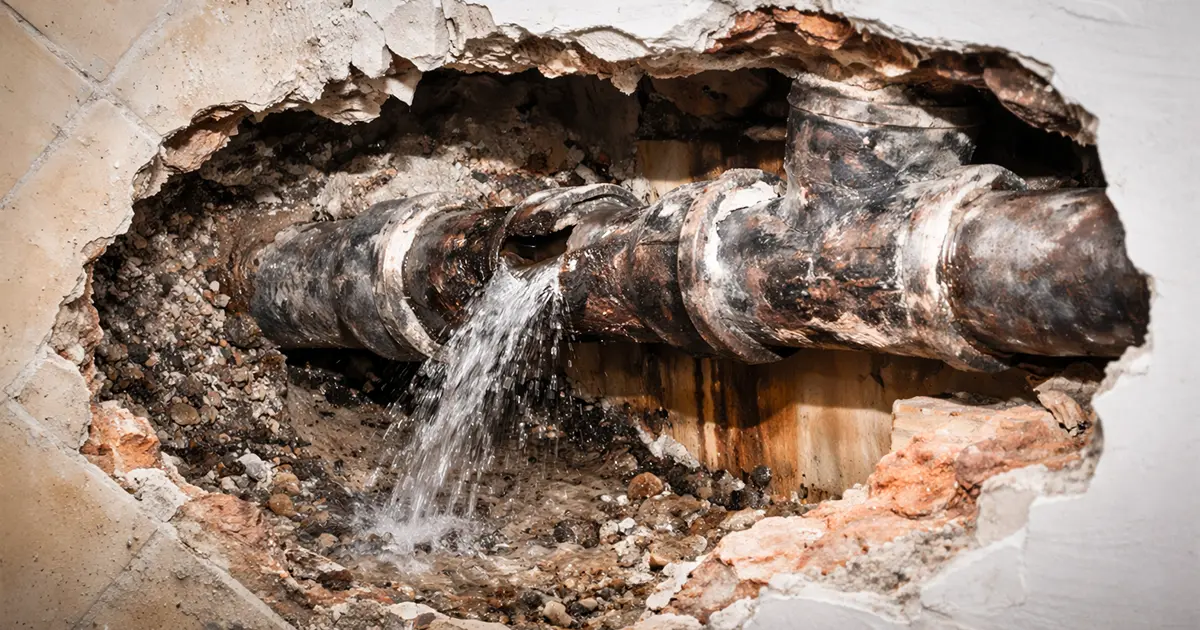
Winter in central Oklahoma doesn't always mean snow-covered streets or weeks of bitter cold. But all it takes is one hard freeze to wake up to a plumbing disaster.
If you've ever dealt with a burst pipe, you know the fallout goes way beyond just fixing the leak. There's the water damage, the cleanup, the repair bills, and days of chaos while your home gets put back together. And somehow, it always seems to happen at the worst possible time... while you're asleep, out of town for the holidays, or right after one of those sudden cold snaps that rolls through Green Country without warning.
Here's the thing: frozen pipes don't have to be part of your winter story. A little prep work and a few smart habits can keep your water flowing and your home dry.
What Actually Happens When Pipes Freeze
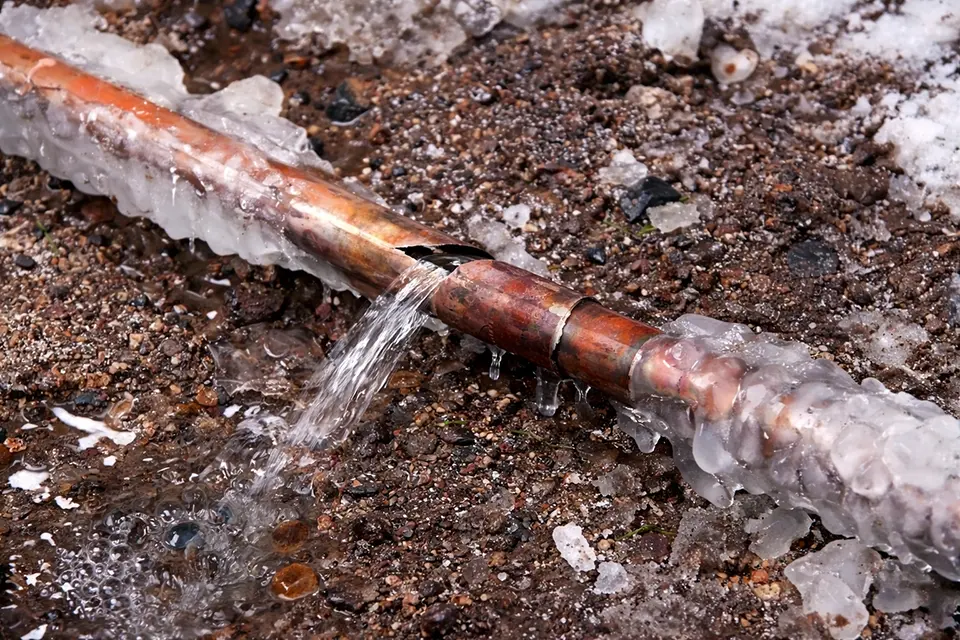
Water expands when it freezes. Pipes? They don't. That buildup of pressure can crack even the strongest plumbing, especially if it's older or already showing some wear. A crack as small as 1/8" can leak hundreds of gallons a day once the ice melts and water starts moving again.
And it's rarely just a puddle on the floor. Burst pipes can soak drywall, ruin hardwood, warp cabinets, and turn entire rooms into construction zones. Depending on where the pipe is and how long the water flows before you catch it, you could be looking at weeks of repairs. Insurance claims from burst pipes regularly hit $20,000 or more.
Why Tulsa Homes Are Vulnerable
A lot of homes around here have plumbing running through garages, crawlspaces, attics, or along exterior walls. Those spots don't get much insulation, and they're right in the path of freezing air. Even newer homes with upgraded plumbing can have trouble if pipes pass through cold zones.
Don't let a mild afternoon fool you, either. It's those overnight lows that get you... especially when the temperature drops into the 20s or teens and stays there for a few hours.
Simple Ways to Protect Your Pipes
- Don't let your house get too cold: If you're heading out of town (even just overnight) set your thermostat to at least 55°F. That goes for holiday trips, long weekends, and any time you're away for more than a few hours. A warm house today doesn't guarantee protected pipes tomorrow morning.
- Skip the nighttime thermostat drop: Yes, turning down the heat at night saves a little on your energy bill. But a frozen pipe can cost you thousands. Keep your thermostat steady around the clock.
- Let a faucet drip when it's really cold: Moving water doesn't freeze as easily as still water. On nights when the forecast shows temps in the low 20s or below, let a small stream run from faucets connected to vulnerable pipes. You don't need a heavy flow, just enough to keep things moving.
- Open cabinet doors under sinks: Pipes under kitchen and bathroom sinks often sit right against exterior walls. Crack open those cabinet doors on cold nights so warm air from your home can circulate around the plumbing. Just move any cleaning supplies out of reach if you've got kids or pets.
- Insulate pipes that are exposed: Foam sleeves and pipe wrap are cheap and take minutes to install. Focus on the garage, attic, crawlspace, and any plumbing along outside walls. While you're at it, wrapping your hot water tank can save you money on energy costs.
- Use heat tape in problem areas: If certain pipes always seem to get cold or you can't insulate them properly, heat cables or tape can help. These plug-in options keep pipes just warm enough to stay safe.
- Seal up drafts and air leaks: Check around windows, doors, pipes, and vents for gaps where cold air sneaks in. Grab some caulk, spray foam, or weather stripping and close them up. Even tiny leaks can create freezing conditions in spots that should be warm.
- Winterize your outdoor plumbing: Before the first freeze, shut off and drain outdoor faucets. Disconnect hoses and add faucet covers. If you've got a sprinkler system, make sure it's winterized, especially if the lines run close to the surface.
- Keep the garage door closed: If your garage has water lines running through it, keep that door shut when it's cold outside. Temperatures can drop fast enough to freeze pipes in just a few hours.
How to Tell If a Pipe Is Already Frozen
- Turn on a faucet and only a trickle comes out
- Pipes feel ice-cold when you touch them
- Frost or condensation shows up on exposed pipes
- Strange smells are coming from your drains
- Banging or rattling sounds when you run water
What to Do If You Find a Frozen Pipe
- Keep the faucet open: As the ice melts, water needs somewhere to go. Leaving the faucet open also relieves pressure inside the pipe.
- Warm the pipe gently: Use a hair dryer, heating pad, or warm towels. Start near the faucet and work backward toward the frozen section. You can also set up a space heater to warm the room. Just be careful around water, and never use an open flame or blowtorch.
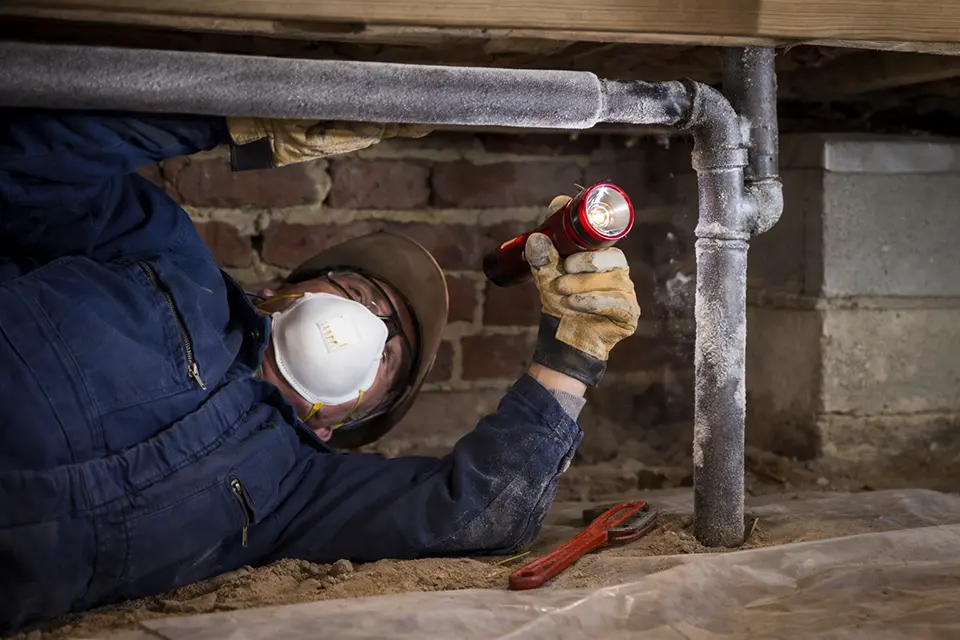
- Call a plumber: If you can't find the frozen spot, or if the pipe is inside a wall or ceiling, call a plumber. Don't gamble on this one.
If a Pipe Does Burst
- Turn off your main water supply: Make sure everyone in your house knows where the shutoff valve is and how to use it.
- Cut the power: If water is near outlets or appliances, shut off the electricity.
- Drain your system: Open all your faucets and flush the toilets to relieve pressure.
- Clean up immediately: Grab towels, buckets, a wet/dry vacuum or whatever you've got.
- Document everything: Take photos before calling your insurance company. Log the damage and any steps you took to stop it.
Why Prevention Beats Repair Every Time
Fixing a burst pipe usually starts around $900, and that's just the pipe itself. Add in water damage, flooring replacement, drywall repair, and possible mold remediation, and the costs climb fast. One insurance report found that a crack as small as 1/8" can release up to 250 gallons of water per day.
The worst part? Most of this is completely avoidable. A little insulation and some basic upkeep can save you from ever making that emergency call.
Long-Term Solutions Worth Considering
- Heat-tracing cables for pipes you can't easily insulate
- Better insulation in attics or crawlspaces
- Rerouting exposed pipes to run through interior walls
- Smart leak sensors or automatic shutoff valves
Final Thoughts
Frozen pipes aren't just a problem up north. Tulsa winters bring real risks, especially when temperatures drop fast. But with some planning, a bit of insulation, and a thermostat that stays steady, you can skip the stress, the mess, and the expensive repairs that come with frozen or burst pipes.