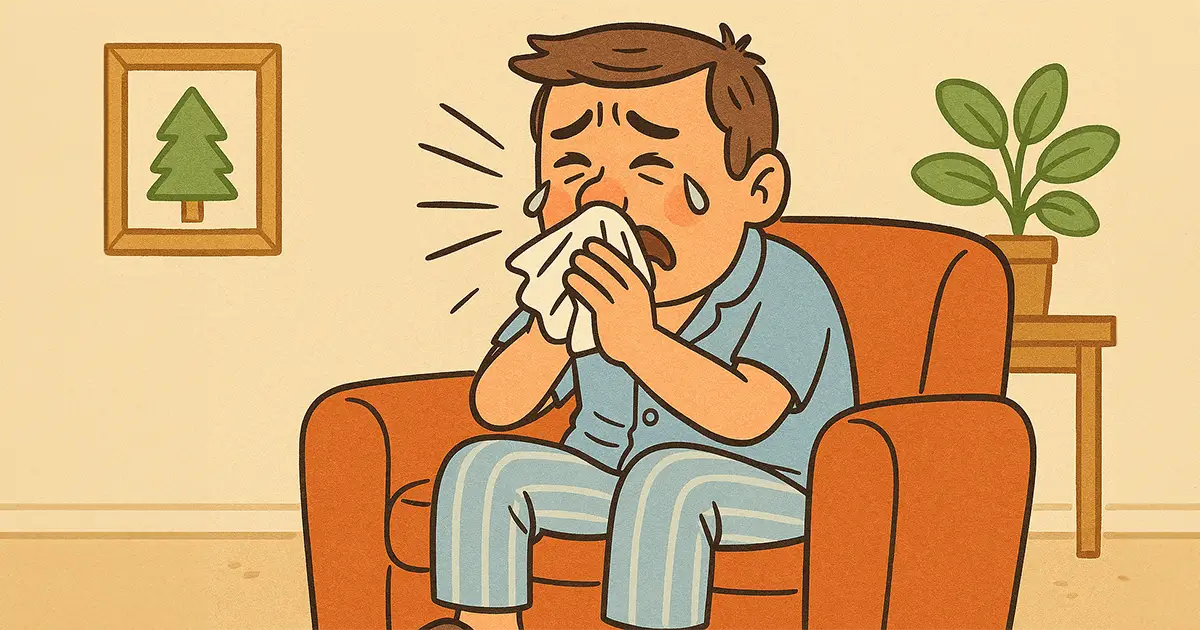
Ah, spring in Owasso! The sun shines a little brighter, flowers bloom across our neighborhoods, and the air finally warms up after a long winter. But for many homeowners, spring doesn’t just bring beauty... it brings allergy misery.
Sneezing, itchy eyes, stuffy noses, and nonstop coughing become part of the daily routine for allergy sufferers. And as much as we love letting in the fresh air, opening windows can mean inviting in the very things that make us feel miserable. Fortunately, your HVAC system can be one of your strongest allies in the fight against spring allergies—if it’s set up and maintained correctly.
At GNH Heating & Cooling, we’re here to help you take back your home from allergens with simple HVAC solutions and practical home care tips. Let’s dive into how to make your home a spring allergy-safe zone this season.
Understanding Why Spring Allergies Are So Tough in Oklahoma
If it feels like your spring allergies get worse every year, you're not imagining it. Oklahoma, including the Owasso area, ranks high for allergy sufferers thanks to our unique climate, high tree pollen counts, and lovely springtime wind gusts that love carrying allergens into your home.
In fact, tree pollen... especially from oak, cedar, and elm... is the biggest culprit in early spring. And if grass pollen also triggers your allergies, you may face a double-whammy as both seasons can overlap in our region. The problem isn’t just outside either; once pollen gets into your home, it tends to linger. That’s where your HVAC system comes into play.
Your HVAC System: The First Line of Defense Against Allergens
You may not see it working, but your heating and cooling system constantly cycles air through your home. If that air contains pollen, dust, mold spores, or pet dander and your system isn’t equipped to deal with them, you’ll just keep breathing in the same allergens repeatedly.
But with the right tools, filters, and habits, your HVAC system can reduce your symptoms by dramatically improving indoor air quality. Let’s look at how that works.
Air Filters Matter More Than You Think
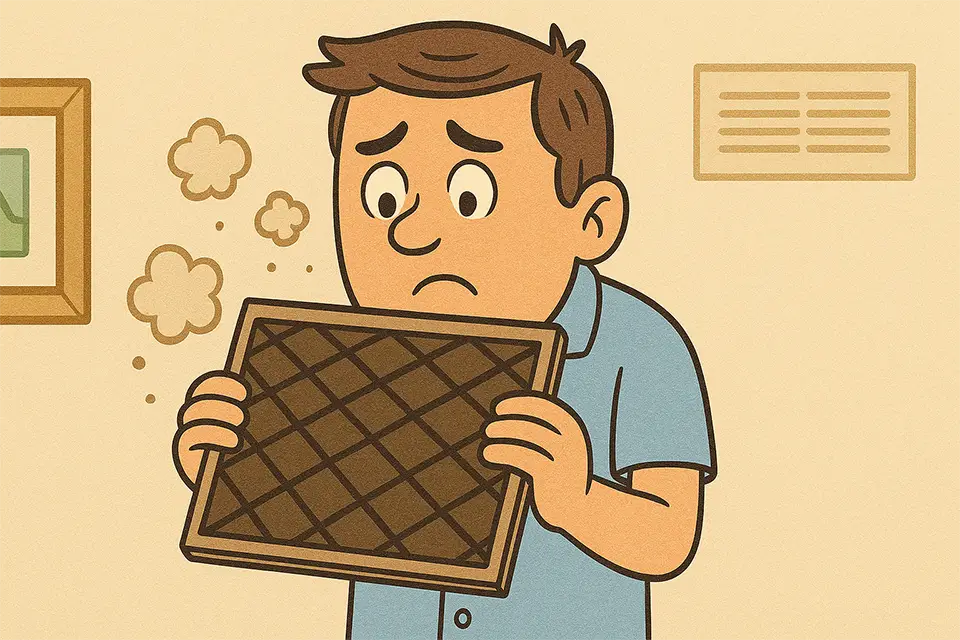
If you’ve never paid attention to your HVAC air filter, now’s the time. Your air filter acts as a gatekeeper for what circulates through your home. A low-quality filter may catch big dust particles, but it’ll let smaller allergens like pollen and pet dander slip right through.
Here’s what you can do:
Upgrade to a filter with a MERV rating of 8 to 13, ideal for capturing common household allergens. These filters can trap much smaller particles without restricting airflow in most residential systems. Make sure to change the filter regularly... every 1 to 3 months is recommended, depending on your household and how much dust or pet hair you're dealing with.
We often see Owasso homeowners neglect filter changes, especially in the spring and summer, when HVAC systems run more frequently. A clogged or outdated filter isn’t just bad for your allergies. It can also make your system work harder and cost more to operate.
Is Your Ductwork Helping or Hurting?
Another hidden contributor to poor indoor air quality is your ductwork. Over time, ducts can develop leaks that pull in dust, pollen, and even mold spores from your attic or crawl spaces. These contaminants then circulate throughout your home, irritating your sinuses and worsening allergy symptoms.
It could be your ducts if you’re constantly sneezing indoors—even after a deep clean.
Here’s what you can do:
Have your ductwork professionally inspected and sealed. At GNH Heating & Cooling, we offer duct inspections that can identify leaks, blockages, or contamination. Sealing your ducts reduces allergens and improves HVAC efficiency, which means lower energy bills and a more comfortable home.
Managing Indoor Humidity
Springtime in Oklahoma can bring sudden shifts in humidity. While the weather outside may vary, the air inside your home must stay balanced. When the air conditioning causes the air to be too dry, allergens remain suspended in the air longer. This makes breathing them in easier and harder for them to settle or be filtered out.
Here’s what you can do:
Use your HVAC system or a humidifier to maintain indoor humidity between 30% and 50%. This sweet spot helps reduce airborne allergens and, protects wooden furniture, reduces static, and improves overall comfort. For some homes, adding a whole-home humidifier can make a big difference in both comfort and air quality.
Improve Airflow and Ventilation
When your home doesn’t breathe well, allergens tend to accumulate. Poor ventilation means stale, allergen-laden air just keeps circulating, especially in rooms that are closed off or don’t have good air return.
Here’s what you can do:
To boost ventilation, first make sure all vents and returns are open and unobstructed. Avoid covering them with rugs or furniture. Second, use kitchen and bathroom exhaust fans to remove moisture and airborne irritants.
And finally, consider installing a whole-home ventilation system, especially if your house is tightly sealed for energy efficiency.
Spring Cleaning Tips That Work Hand-in-Hand with Your HVAC
Your HVAC system can only do so much on its own. Pairing it with smart cleaning habits is the key to creating an allergy-friendly home.
Start with Regular Vacuuming and Dusting
Dust, pet dander, pollen, and even mold spores can settle into carpets, furniture, and bedding. These particles don’t just stay put... they get kicked back into the air whenever you walk by or sit down.
Use a vacuum with a HEPA filter and dust with microfiber cloths that trap dust instead of spreading it. Pay extra attention to high-traffic areas, window sills, and ceiling fans.
Wash Bedding Weekly
Your bedding collects skin cells, dust mites, and pollen—especially if you sleep with your windows open or have pets. Wash sheets and pillowcases in hot water every week, and consider investing in allergen-proof covers for your pillows and mattresses.
Shower After Outdoor Activities
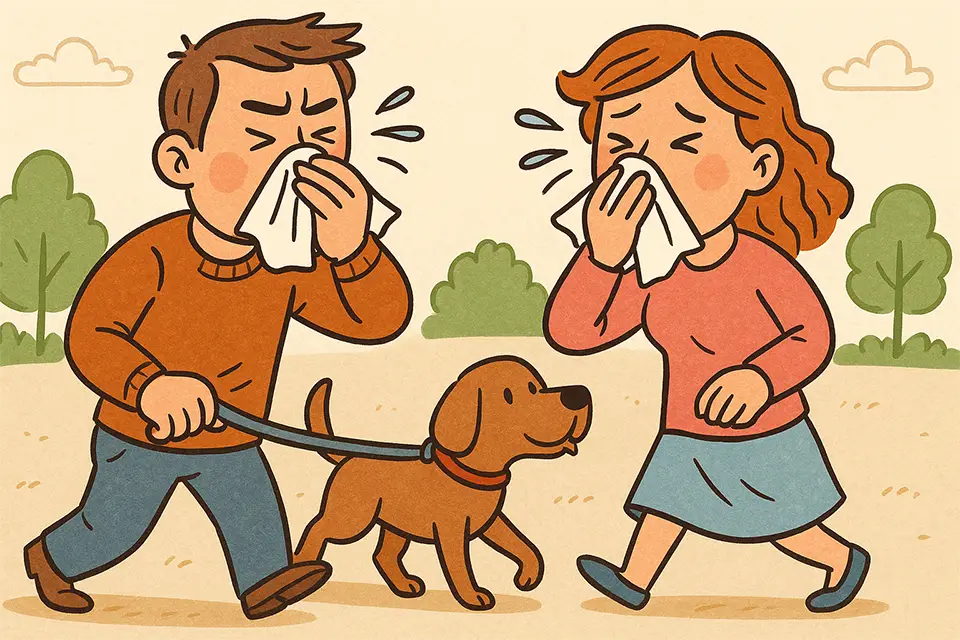
If you’ve been outside gardening, walking the dog, or just enjoying the day, your clothes and skin are likely covered in pollen. A quick shower and change of clothes when you come inside can prevent allergens from transferring to your couch, carpet, or bed.
Keep Pets Groomed
Our furry companions love the outdoors but also bring in pollen, dirt, and dander. Regular grooming and wiping down paws after walks can significantly reduce indoor allergens. If you suffer from allergies, try to keep pets out of bedrooms and off upholstered furniture.
Know When It’s Time to Call in the Pros
While there’s a lot you can do as a homeowner to fight spring allergies, some solutions require a trained eye and professional tools. If you’ve tried everything and your symptoms persist, or if your HVAC system is due for a tune-up, then you should call in the experts.
At GNH Heating & Cooling, we offer full air quality assessments, duct inspections, HVAC maintenance, and air purification solutions tailored to your home. We’ve helped homeowners throughout Owasso and surrounding communities breathe easier, and we’d love to do the same for you.
Final Thoughts
Spring allergies don’t have to make your home feel like a battleground. With just a few smart HVAC updates, a solid cleaning routine, and a focus on ventilation and humidity, you can create a space that feels as fresh and welcoming as a spring morning, without the sneezing.
If you’re ready to enjoy spring without the sniffles, call GNH Heating & Cooling in Owasso, OK. Our friendly, knowledgeable team can help you identify hidden allergen sources and recommend the best HVAC solutions for your unique needs. Whether upgrading your air filter or installing a whole-home air purifier, we’re here to help you feel at home... comfortably and allergen-free.
Call GNH Heating & Cooling today at (918) 804-1549 to schedule your spring HVAC inspection. Let’s work together to make your home safe from allergies this season and beyond!